

Living in a mobile home includes mobility and affordability, but it also brings special challenges that demand attention to maintain your home cozy and secure. One of the key repair responsibilities for any mobile home owner is confirming that your home is even. While it might seem intimidating, leveling your mobile home is an important DIY endeavor that can prevent a myriad of problems, from tilted floors to structural problems. In this guide, we will take you through every step of the leveling process, helping you to understand not only how to achieve a properly aligned home, but also the reasons why it matters.
Whether you are experiencing issues like doors that stick, windows with poor seals, or even cracks in your walls, these symptoms may suggest that your mobile home is out of level. By following our comprehensive guide, you will discover the necessary instruments and strategies needed to address this task efficiently. With the right knowledge and planning, you can upgrade your living conditions while cutting costs and protecting your asset. Let's explore the domain of mobile home leveling and provide you with everything you need to know for a successful leveling leveling undertaking.
Comprehending Leveling of Mobile Homes
Leveling a mobile home is crucial for preserving its structural integrity and ensuring the well-being of its occupants. An unlevel mobile home can lead to multiple issues, including windows and doors that don't operate well, fissures in the walls, and even deterioration to the plumbing and electrical systems. Over time, factors such as soil erosion, settling, and weather changes can make a mobile home to shift, making regular leveling checks important for homeowners.
This process involves adjusting the heights of the home’s foundation supports to create a flat surface. Leveling aids spread weight uniformly across the structure and prevents excessive wear on components that can cause costly repairs. Comprehending the principles of leveling not just improves comfort but also prolongs the lifespan of the home while maintaining its value.
When you observe signs that your home might be misaligned, it's essential to take action. Some signs to watch for include uneven floors, gaps around windows and doors, and visible shifts in the home’s foundation. By identifying these signs promptly and managing them through correct leveling techniques, you can safeguard your investment and maintain a safe living environment.
Equipment and Safety Precautions
Before starting on the alignment process, it's important to assemble the right equipment to ensure a efficient job. Key tools include a measuring tool (either a traditional bubble level or a laser level for greater accuracy), adjustable jacks or hydraulic jacks for lifting the home, timber blocks or shims for support, and a wrench for tightening tie-downs. Additionally, a measuring tape and a pitchfork or soil probe might be useful for evaluating soil conditions and making necessary adjustments.
Protection should be your top priority throughout the leveling process. Begin by wearing protective gear such as gloves and safety glasses to guard against potential hazards. Ensure the area around your mobile home is free from debris and hindrances. It is also vital to notify anyone in your vicinity of the work being done to prevent accidents. If you are using jacks to lift the home, be sure to place them on stable and level ground to avoid overturning or shifting during the leveling process.
Before getting started, review safety measures thoroughly. Always have How to level a mobile home in case of emergencies and utilize a buddy system if possible, so that someone is nearby to assist or call for help if needed. Lastly, be mindful about the environmental conditions; working in adverse weather can heighten risks, so choose a sunny, dry day for the project. Taking these safety precautions will help ensure a safe leveling experience for you and your mobile home.
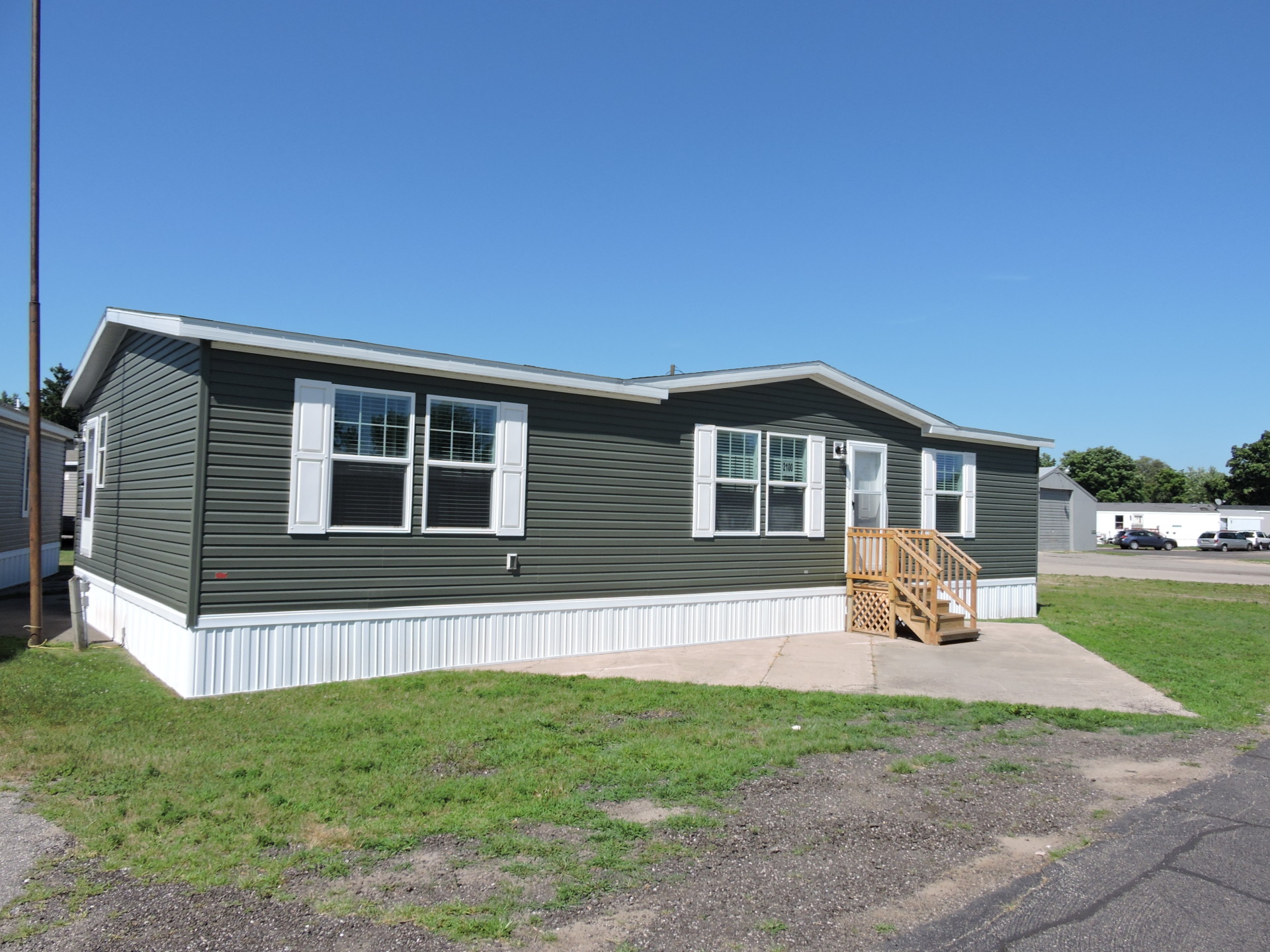
Stage-by-Stage Leveling Method
To start the leveling procedure, first make sure you have collected all essential equipment and items. This includes a spirit level, cement blocks, shims, a hydraulic jack, and a ruler. Start by checking your trailer for any obvious signs of unevenness, such as doors that don't close properly or fissures in the exterior. Next, find out which sections need changes by putting the level tool at various points along the structure. Make note of the spots that are raised or depressed to see where you will need to make your adjustments.
Once you find the low points, use a hydraulic lift to gently lift the structure at those points. Place concrete blocks or piers as needed to provide adequate support. After lifting the home, slide in wedges beneath the structure to close any voids and maintain it level. It may take some time to determine the correct combination of supports and blocks to achieve a stable position. Regularly check with your spirit level as you modify the supports to maintain an even distribution of weight.
After stabilizing the structure in a even position, double-check all your measurements and make sure all elements is properly set before you finish up. It's vital to fasten the foundation with appropriate fasteners and verify that the trailer is secured. Lastly, perform a comprehensive inspection to confirm all doors, windows, and surfaces function correctly without any sticking or issues. By following through on these instructions, you will confirm that your mobile home is properly leveled and protected from future issues.
Lonestar Mobile Home Leveling & Skirting
276 County Rd 1700
Clifton, TX 76634
(254)266-5369